THE LAST SUFFRAGETTE

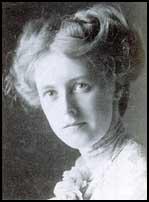
Victoria Lidiard (nee Simmons), the last known suffragette, died in 1992 at the age of 102. When I met her five years earlier she was still managing her roomy Brighton flat entirely on her own, a small, alert retired optician whose neighbours had no idea this sprightly old lady had once done time.

In March 1912 Victoria was gaoled for two months for taking part in one of Emmeline Pankhurst’s days of action. She’d travelled from Bristol to London to join a well-orchestrated campaign of disruption to protest at the Liberal government’s refusal to give women the vote. At a prearranged time suffragettes smashed windows all over central London. Victoria’s beat was Whitehall, her target the War Office. Extra policemen were on duty to look out for suffragette demonstrators. Appearing as demure as possible, Victoria deliberately walked in step with a policeman to allay suspicion. When she suddenly threw a stone through a War Office window, she was convinced he was taken completely by surprise.
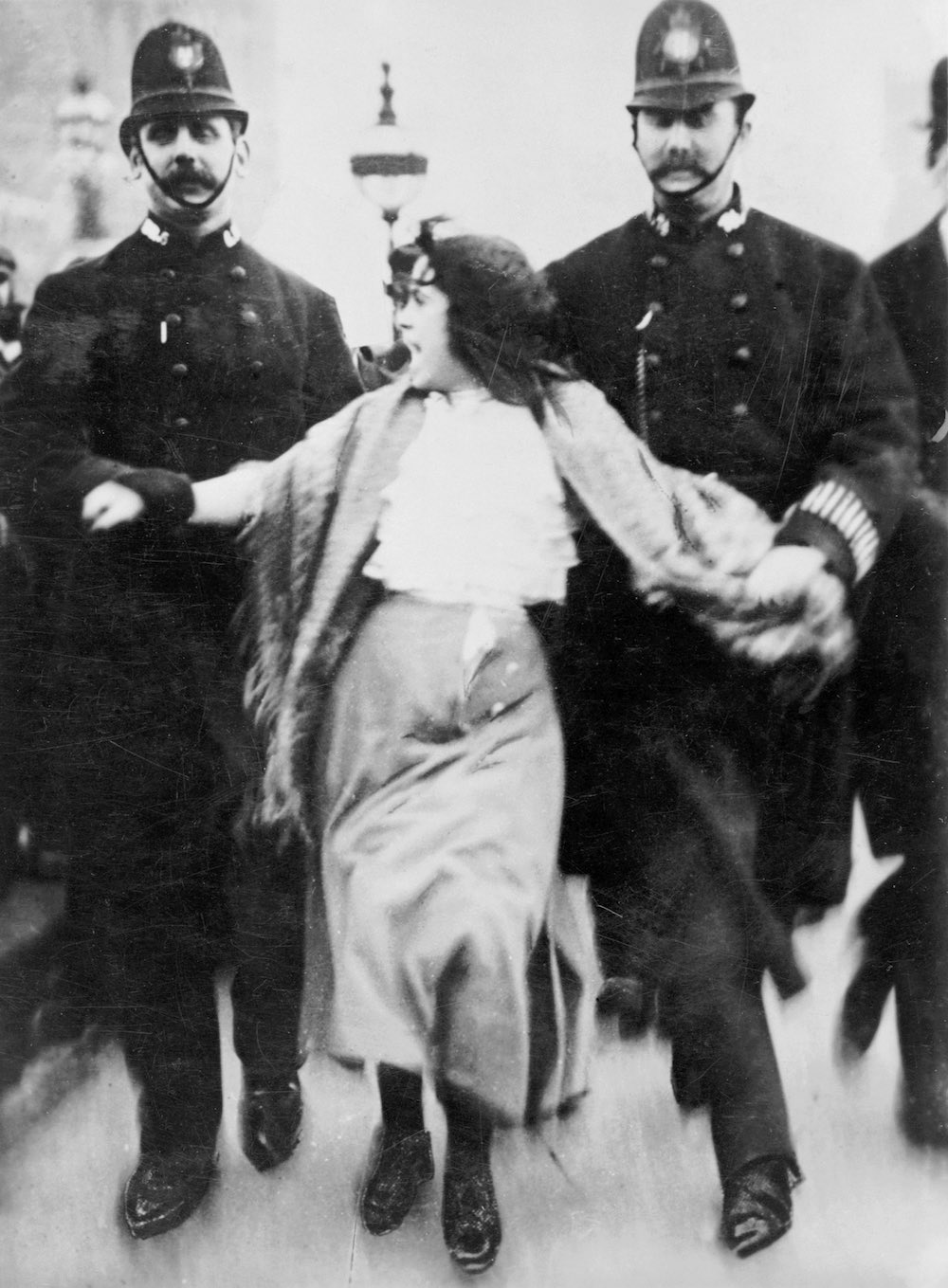
A 'Lancashire lassie' being escorted through the palace yard, Westminster Palace, London, 20th March 1907. A young woman is reluctantly escorted by two policeman who are holding her by the arms. The woman is still protesting as she is led away. The last line of the verse at the bottom says 'For Women's Rights anything we will dare; Palace Yard, take me there!' (Photo by Museum of London/Heritage Images/Getty Images)A second policeman quickly rushed up to her, then a third. She was taken to Bow Street police station with a policeman grabbing each arm and one following behind. But Victoria had anticipated her arrest and had a plan to get rid of the evidence.
“I had eight stones but I’d only used one, so on the way to the station I discreetly dropped them one by one but to my amazement when we reached Bow Street, the policemen who’d followed put the seven stones on the table and said, ‘she dropped these on the way.’” That was that.

Victoria spent the next sixty days in Holloway but remembers little of her time there. As a political prisoner she didn’t have to do prison work and there was nothing to do. She remembers the windows opened a crack to allow ventilation and her sister used to stand outside and she would shout messages to her. She did not go on hunger strike, largely because she had promised her formidable mother she would not. On her release she was awarded the suffragette brooch for bravery.

The enthusiasm for the cause came from Victoria’s mother who organised all her daughters into joining the suffragettes. She had produced 12 children at 13 month intervals of whom 8 survived. Victoria could not remember her mother ever having a good day’s health, but, though physically frail, she had an iron will and was a passionate believer in women’s rights. She and her daughters (opposed by her husband) were also fighting for proper education for girls and for the end of the white slave trade. Living in Bristol, Victoria’s family heard stories about girls being kidnapped and whisked down to the docks to be shipped away to slavery overseas. They were convinced this issue would continue to be ignored until women had the vote. They mostly campaigned in Bristol where they chalked messages on pavements, addressed meetings at the docks from the backs of lorries (Victoria said she was a hopeless speaker) and handed out leaflets. Victoria got used to being heckled, occasionally spat on and she was once shouted at by a clergyman who told her to get back to the kitchen.

When war broke out the movement lost impetus as its leaders went their separate ways. Christabel and Emmeline Pankhurst became superpatriots while Sylvia sided with the pacifists. Victoria ran a guest house in Kensington for professional women with her sister and worked in munitions at Battersea Power Station. In 1918 British women were given the vote but only six million out of a total of thirteen million were actually enfranchised. Women over thirty who were householders, or wives of householders, or had been to university were allowed to vote. It wasn’t until 1928 that all women over 21 were finally allowed to vote.

In 1918 Victoria married Major Alexander Lidiard MC. He had, himself, been a member of the Men’s Political Union for Women’s Enfranchisement and they met while she was selling the magazine, Votes for Women. They both trained to be opticians, running separate practices but swapping one day a week for patients who preferred an optician of the opposite sex.

Over the years Victoria lost touch with her suffragette friends but never lost her passion for women’s rights. Right up to the end she was campaigning for the ordination of women which, she said, was ‘meeting with the same opposition as the fight for the vote. There is no physical, intellectual, moral, theological or spiritual reason why women shouldn’t be ordained.’ Two years after her death 32 women were ordained into the Church of England. Today one in five clergy are women.
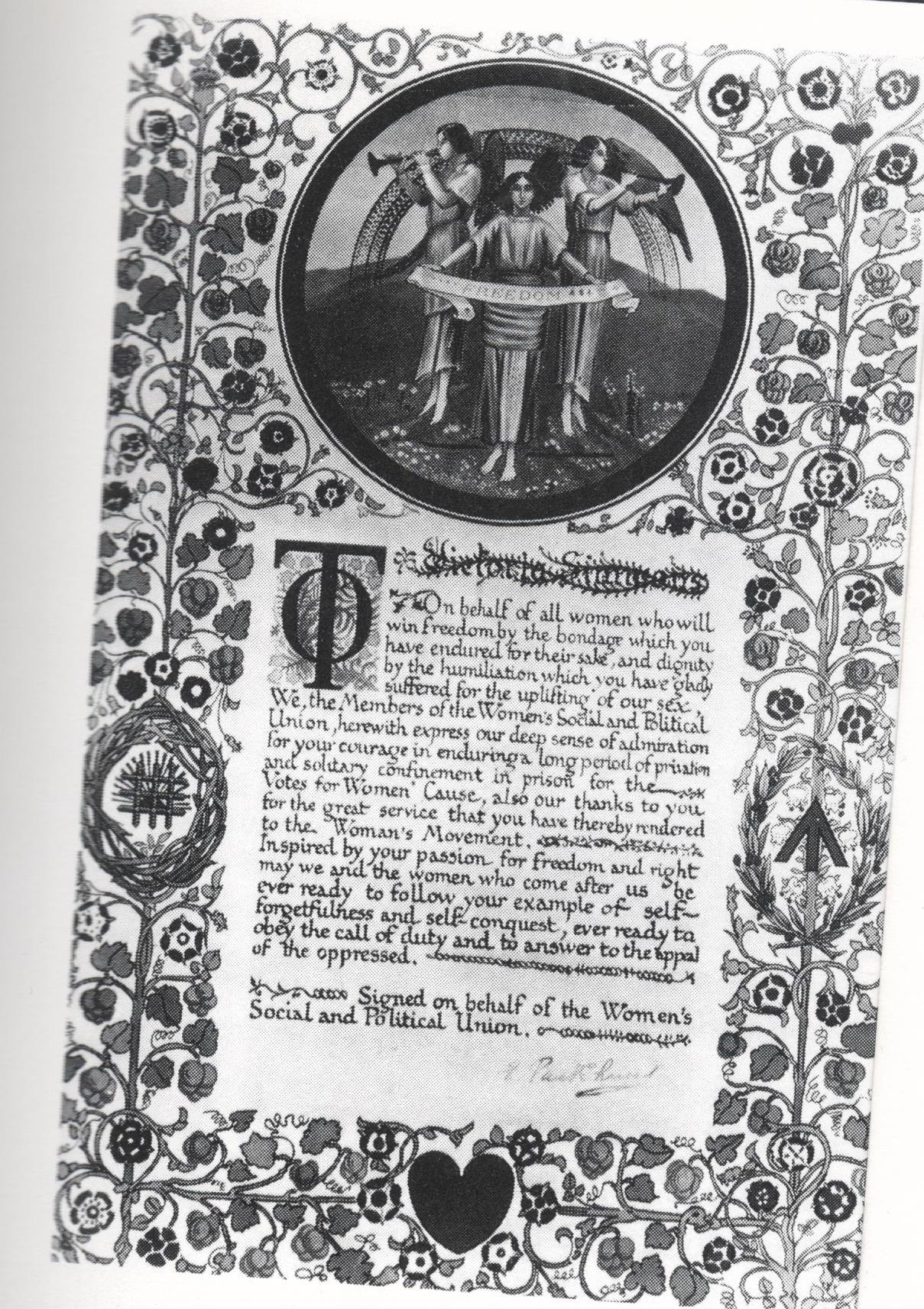
Victoria's certificateVictoria Lidiard’s certificate of thanks for her devotion to the cause, signed by Emmeline Pankhurst

Afterword: I interviewed Victoria for the book and TV series, Out of the Doll’s House. It’s probably statistically irrelevant but it struck me how often fit nonagenarians, like Victoria, were life-long vegetarians…
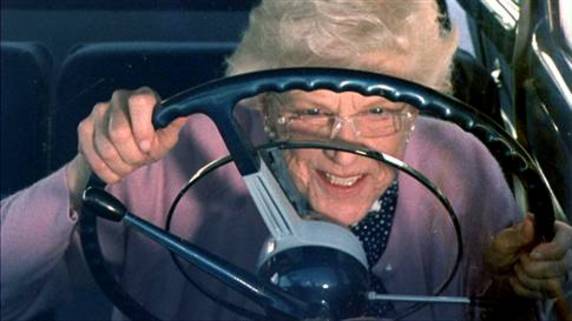
Centenarians at the wheel


Grannies are refusing to abandon their cars. A record 200 or more are still driving after their 100th birthday. This is a new phenomenon not just because we’re all living longer but because earlier generations of women didn’t drive. Neither of my grandmothers ever bothered to learn. Both were born in the last decades of the 19th century. Granny from the South was a terrifyingly competent woman. But it never occurred to her that she should be able to drive. She didn’t need to because she controlled her driver (whoever the unlucky person might be). A stream of directions were issued, a kind of human forerunner to a SatNav, accompanied by jabbing fingers on the driver’s leg, ‘Put out your right indicator now’, ‘There’s a roundabout ahead,’ ‘Park under that tree.’  And most of all, ‘Slow down’. She didn’t believe cars could or should go faster than 30 mph.

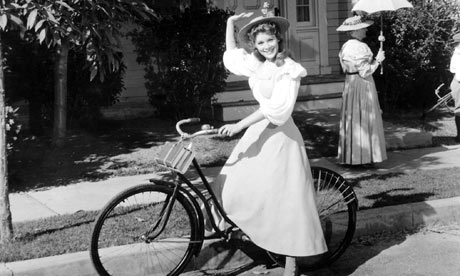
Grandma from the North was quite different. A pretty, vivacious yet completely dependent woman, she simply loved being taken on a drive. She took no interest in the mechanics of it but kept a running commentary on what she could see. Cows sitting in a field … It was going to rain. Small stones in the next field… Mushrooms, we must stop and pick them. Blackberries … Memories of joyous pickings of the past. She was perfectly happy to be left in the car while others did the shopping. Once my mother came out of a shop and found both the car and grandma had disappeared. Some distance down the hill she spotted the car in a hedge. She’d forgotten to put on the handbrake. Grandma hadn’t a clue what or where a handbrake was, so when the car started to roll she grabbed the wheel hoping that might do the trick. The car had the odd scratch. Grandma was fine. Surprisingly, she had been a great cyclist in her youth, often cycling with her brother from Northumberland to London to visit relations. When she got married she gave up her bike.

female-cyclist-001
My own mother is about to visit for a short holiday and just like Grandma she loves to be driven. Even a trip to Waitrose carpark (like her mother she’s happy to leave the shopping to others) will be greeted with enthusiasm. She’s always been a competent driver herself and is still driving at 88. Long may it continue as it gives her the sort of independence she would sorely miss if she had to give it up.

Tagged with: , ,

Childcare – The True Cost

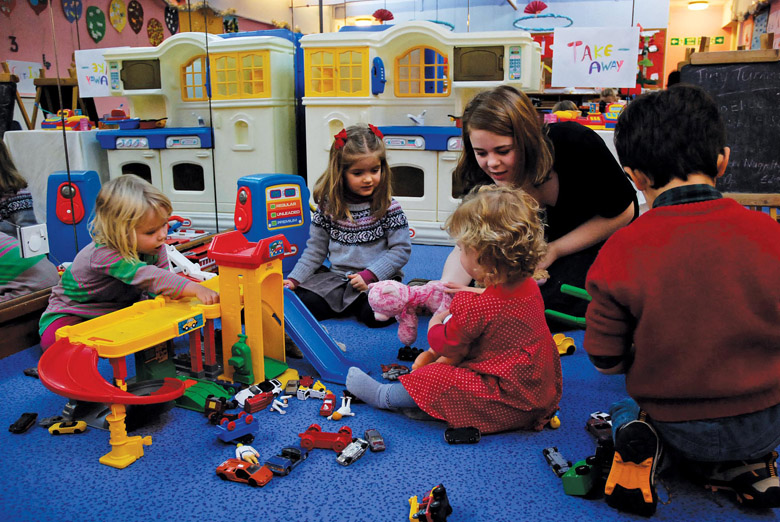
new_crecheForget glass ceilings. The main reason women give up promising careers is because of the high cost and complications of childcare. It’s not hard to understand why mothers (and some fathers) find it impossible to carry on working as they did before becoming parents. Childcare in the UK is fraught with problems. Above all, it’s extremely expensive. It costs more here than any other country apart from Switzerland. Families eligible for the government tax credit scheme starting this autumn will find the top benefit of £2000 doesn’t go far in London.

If you don’t like figures, skip the next four paragraphs, but they make startling reading.

A full-time nursery place (10 hours) can be as much as £22,000 a year per child. With a working day of 8, 10 hours and rising, add on a daily commute and a nursery is not an option even if affordable.

Live-in help is only possible with the size of house which today’s property market puts beyond the means of many. If you have the space, the cost is around £28,000 for properly qualified help – cheaper than a nursery if you have more than one child. An au pair costs far less, but she only works 25 hours a week and has no training.

Back in my day child-minders were a popular and inexpensive daycare option – roughly half the cost of a nanny. A child minder, usually a mother herself, looks after one or more children in her own home. But finding one today is extremely difficult. Despite greater demand, numbers have halved since legislation was brought in 20 years ago. A child minder looking after children under 8 for more than two hours has to be registered. The cost of training and insurance puts off many potential minders as does a raft of regulations including Ofsted inspections and a ‘nappy curriculum’ with targets.

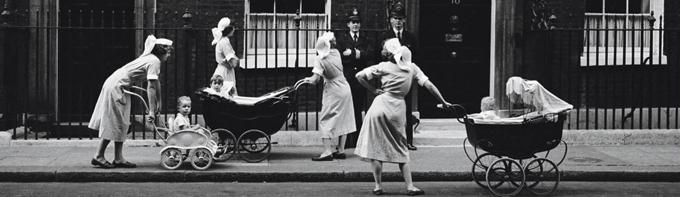
nannies in Downing Street

(Nannies Outside Downing Street 1959)

In London a live-out trained nanny expects £10 net an hour. For a 12 hour day, the cost including the employer’s contributions comes to around £43,000 a year. £43,000 out of taxed income! Not surprising that families look for alternatives to the double whammy of an exhausting working life and a colossal childcare bill.

One answer is to give up work temporarily or permanently. Another is to reduce the amount of paid childcare needed. Typically a parent (still usually the mother) reduces her working week and goes part-time. Many firms can’t or won’t accommodate this which leads to a change of job or even career for the mother while the firm loses a valuable asset and potential leader. Some families avoid paid childcare altogether by getting a granny to come in when both parents are out at work: for instance, a GP in Bristol who finds the cheapest but also the best solution for her family is to fly her mother down from Scotland every week for the three days she works
.
I’ve noticed increasingly that friends are doing a lot of grandparenting. A quick poll of 30 found over half committed to weekly childcare in place of a paid minder. Almost all were more involved with their grandchildren than their own mothers had been and were happy to be so. But, depressing to report, most also believed their daughters have a tougher time with work and childcare than they had themselves. Admittedly, the majority live in London but figures for the whole country show over a third of families depend on this kind of informal childcare from friends or relations. It’s a system that works well for many but is hard to combine with the hours and working life expected of most professionals. Part-time work is still career-limiting and too often seen as a sign of lack of commitment.

Combining children with a demanding job is never going to be easy but other countries seem to manage it better. Denmark has over 90% of children in subsidised daycare, enabling their parents to continue working as before. Nordic countries have more flexible working patterns to accommodate the needs of parents. Importantly, they don’t see adapting work to parenthood as loss of ambition, simply a phase in a working life. In France most schools offer pre and post-school-hours creches and clubs in addition to municipal and private nurseries.

Here in the UK there is much talk of the importance of looking after working mothers but not enough real support for childcare. We need to bring the cost down and increase the supply. It may be unrealistic to return to the days of unregulated childminders, but there could be some relaxing of rules and more subsidised training schemes to boost numbers. Private nurseries could be allowed business rates and VAT relief to help keep costs down. More large companies could sponsor nursery facilities or follow Goldman Sachs in providing an on-site facility.

The perfect solution, of course, would be more generous tax credits against the cost of childcare. Daft, I’m told, even to mention in the current economic climate but it may be a calculation worth doing. There would be extra tax revenues from working mothers and their helpers and the huge benefit of encouraging more women to continue their professional lives. Besides unless this leaking pipeline is plugged, the male/female ratio at the top of professions and large corporations will continue to be skewed against women.

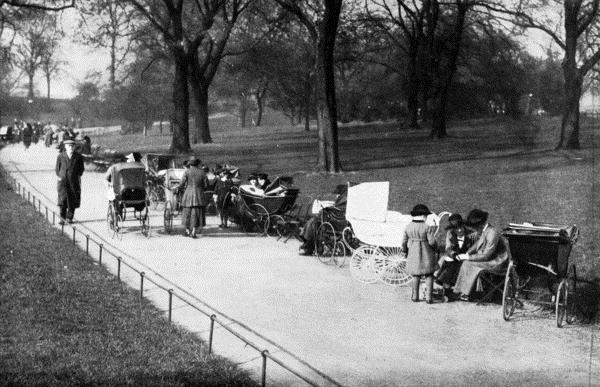
.Spring_Scene_in_Hyde_Park_Nannies_with_Children_1

Nannies in Hyde Park 1919

Tagged with: , , , ,

FIFTY YEARS AGO

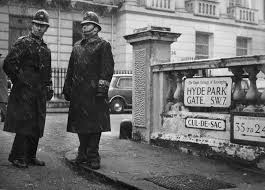
In the mid Sixties  I found myself living just up the road from Winston Churchill. 14 Hyde Park Gate was a genteel boarding house for girls like me far from home and anxious mothers. As I was 17 and my parents not even in phone contact, living in Aden (now the Yemen), it was probably perfectly sensible. Number 14 was run by a dragon called Miss Watkin who clocked us in and clocked us out, making a note of where we were when out and making sure we were back by 11 in the evening. We weren’t given a key so any return late at night was greeted by a grumpy, ghostly figure – Miss Watkin in long dressing gown and hairnet. In the mornings she made sure we left wearing gloves – leather in winter, cotton in summer.

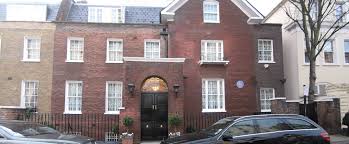
Churchill's house

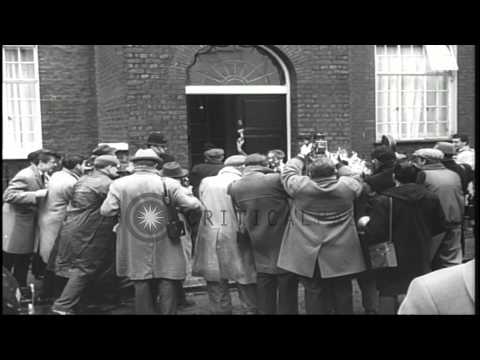
Hyde Park Gate is a cul-de-sac just South of Kensington Gardens. The Churchills lived in a large, brick house almost at the end, different in style from the stucco buildings in the rest of the road.  A  small gathering of journalists often lurked outside, their ranks swelling with rumours of illness or interesting visitors.  Nosey parkers  Miss Watkin called them.

Churchill journosMiss Watkin had firm views on everything – appropriate clothes, appropriate food, appropriate language and, above all, manners. She’d been born sometime before the First World War which was when the rot set in. Nothing had ever been the same; standards had gone on slipping everywhere but never in her house. I’ve no idea if she owned it, probably not. More governess than heiress, she cocooned herself (and  all of us) in an Edwardian bubble. When we stayed in for dinner, we washed up afterwards. I didn’t know washing up could be so complicated. Everything had to be done in a certain order which I’ve long since forgotten. But I remember knives couldn’t be immersed in water, just gently sponged and rinsed under the tap. Glasses had to be dried with a special tea towel and absolutely never touched by fingers when putting away.

I shared a room with a couple of other girls. Two of us were doing courses, the third was a debutante. She was one of the saddest people I’ve ever known. She came from the kind of family whose daughters had always done the Season but was now basically broke. There was no money for her mother to come and live in London and escort her to teas, drinks parties and balls so she tagged along with another family. She hated every moment of it, particularly the balls, and spent most of her time hiding in the loo till it was time to come home. It seemed a dreadful waste of her family’s dwindling resources. They thought they were giving her a wonderful opportunity and she didn’t dare tell them how miserable it made her. She wasn’t the brightest and never quite got the hang of anything. The washing-up rules were completely beyond her (some sympathy there) and, cruelly, all the rest of us rather relished her confusion over the simplest tasks from washing her hair to answering the phone.  During the daytime she was often the only one in to pick up the solitary, shared phone in the hall and the resulting messages were seldom exactly what the caller intended. When she finished the Season she went off to do a flower-arranging course somewhere near Windsor and disappeared from our lives.

police in Hyde Park GateThe death of Sir Winston was a great excitement for us. We knew he was ill (he had a stroke and died a couple of weeks later) and the street had been bursting with people waiting for news. A day or so after he died I was coming back in the evening, walking through Hyde Park Corner when police arrived and stopped all the traffic. A small cortege of three cars went right across the grassed island in the middle of the roundabout and under Wellington Arch. There were only a few of us who happened to be passing and stopped to stare. A policeman told us it was Sir Winston’s coffin on its way to lie in state in Westminster. He’d never seen the arch opened for cars before. And I’ve never seen it opened since.

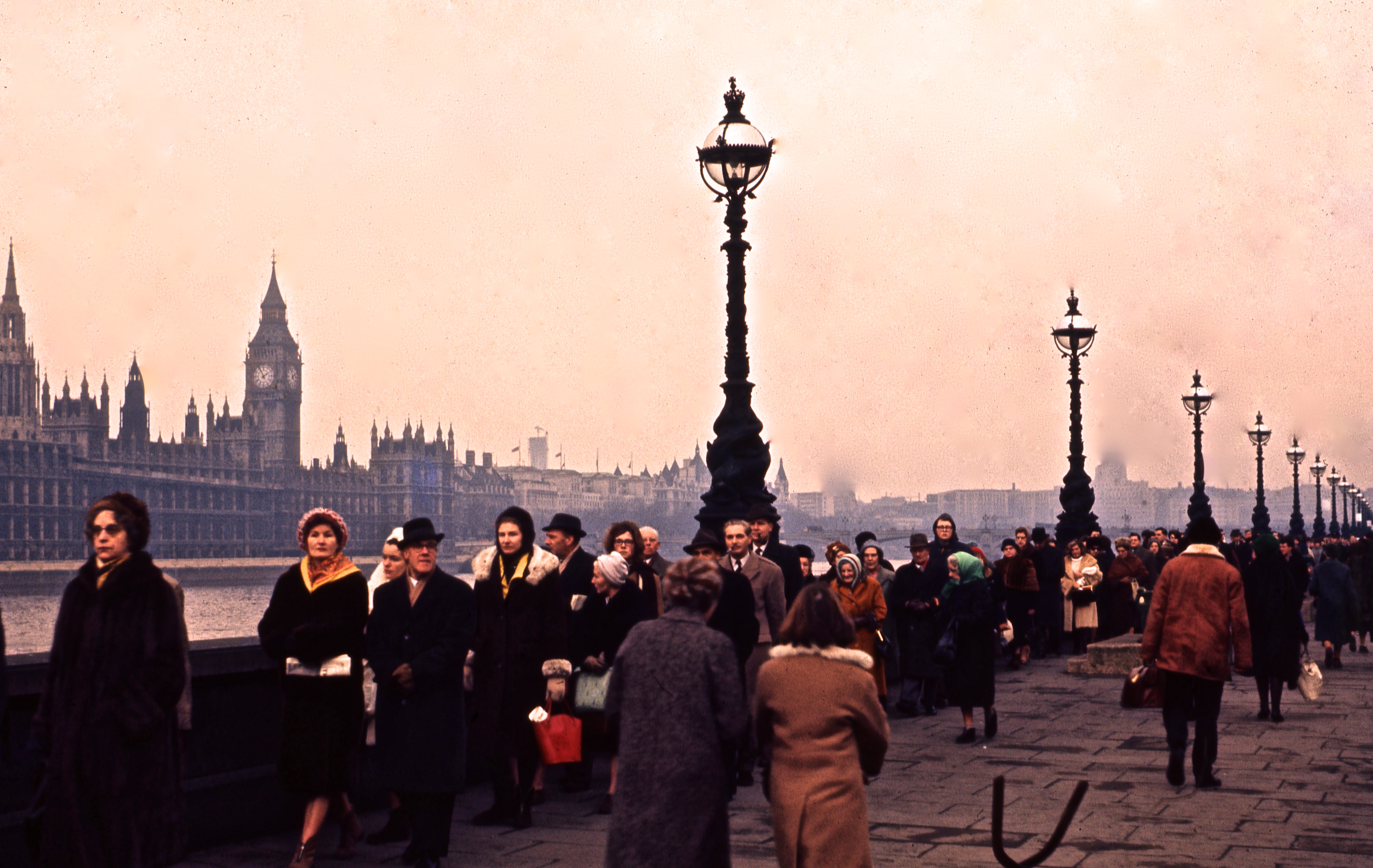
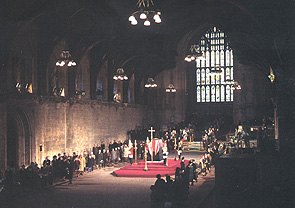
churchill-lying-in-state002 queueEverybody, it seemed, went to the lying-in-state in Westminster Hall. Our group queued for over four hours starting the other side of Lambeth Bridge. I wore my new pink, yes pink, sheepskin coat. A fact I remember clearly as a pigeon dropped a large splat on the shoulder which I never managed entirely to get out. Inside the hall it was eerily quiet and very dark. A carpet had been spread either side of the coffin to muffle the sound of the mourners filing past. Avoiding the queue altogether was a bunch of Westminster schoolboys allowed through a side door to look down on the historic scene. Among them one David Neuberger, but it was well into the next decade before we met and later married.

Churchill


Tagged with: , , ,

Plugging the Pipeline – Or How to Keep Talented Women on the Road to The Top

women to work


The good news is that it’s now largely accepted that having women on boards is beneficial to the company. Studies by organisations such as McKinsey have found that diverse boards are more effective, more innovative and financially more successful. The bad news is that despite this, there are still very few women up there running companies, at the top of the judiciary or sitting round the Cabinet table and although nearly 23% of directors of FTSE 100 companies are women, most of them are non-executives. It’s depressing to read that it may take as long as 25 years for a third of CEOs to be women.

Academically women are on top. Nearly 60% of new graduates are women as are over 50% of new postgraduates and they are entering the professions in equal or, in some spheres, greater numbers to men. But once they become mothers, the percentages change as many successful, highly-trained women drift away from jobs in the professions or large corporations in search of more flexible working lives. This not only produces an immediate problem of lost skills but a long-term one as the pipeline to the senior level from which leaders are chosen is deprived of talented women. It then may be perfectly legitimate to claim there isn’t a right woman for the job.

As is so often said, the problem is that the workplace was created by men for men and today that means it is no longer keeping up with changes in society as a whole. Companies need to do more than pay lip service to diversity; they have to take decisive action to change the working culture.

Here’s my list of 10 steps for any employer serious about change.
• Get over prejudice against flexible working. People don’t need to be nailed to an office desk from dawn to midnight. What with email, the internet & video-conferencing working from home should be easier than ever before.
• Don’t rate people only by the number of hours they work. Putting in time doesn’t necessarily add value. It can simply create a perverse incentive to be inefficient.
• Stop seeing parenting as a woman’s problem. Concessions to fathers shouldn’t undermine their future prospects. If the weight of family responsibilities is truly shared, women will find it easier to manage challenging jobs.
• Enable sponsorship. Mentoring is helpful but women also need senior sponsors to promote them. Mentors talk to you, sponsors talk about you.
• Create stepping stone opportunities and be prepared to take a few risks.
• Put less pressure on people to race up the ladder. ‘Up or out’ has to go. Most of us are going to be working for longer than our parents. Let some peak in their 50s rather than expecting top achievement in the early 40s. More gradual pacing makes sense and would avoid penalising interludes of reduced activity or maternity leave.
• Make sure client events are well balanced and not just about male bonding.
• Beware of unconscious bias. It is very common to appoint people in our own image – disastrous for diversity.
• Set targets for promoting women to senior posts.
• Appoint someone with serious clout to oversee all of the above.

Tagged with: , , ,

Hong Kong Notes

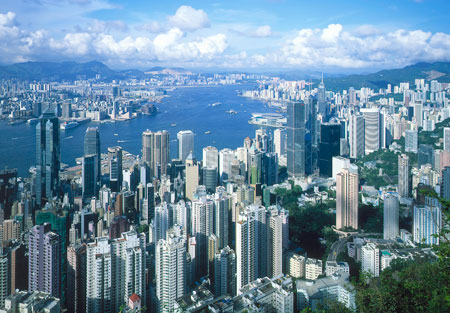
August isn’t the best time to visit Hong Kong. It’s midsummer which brings the kind of heat most people try to avoid. But the challenge is fun. Hong Kongers have elaborate strategies to help. Interconnected shopping malls, tunnels, covered bridges and cuts through vast office blocks provide chilled routes for pedestrians. So 10 minutes underground, emerge for 5 minutes to warm up, then down below again. It’s an odd way of getting about but it works.

Directions for any pedestrian in the central areas are based on buildings and shops. Turn right at Miu Miu, take the lift opposite Daks, pass Harvey Nichols, take the bridge to Lane Crawford, left at the Lippi, through HSBC, into the Landmark & so on. Pity as the street names are so appealing: Foot Massage Lane, Battery Path, Upper Lascar Row, Ice House Street, Big Wave Road. Echoes from a colonial past.

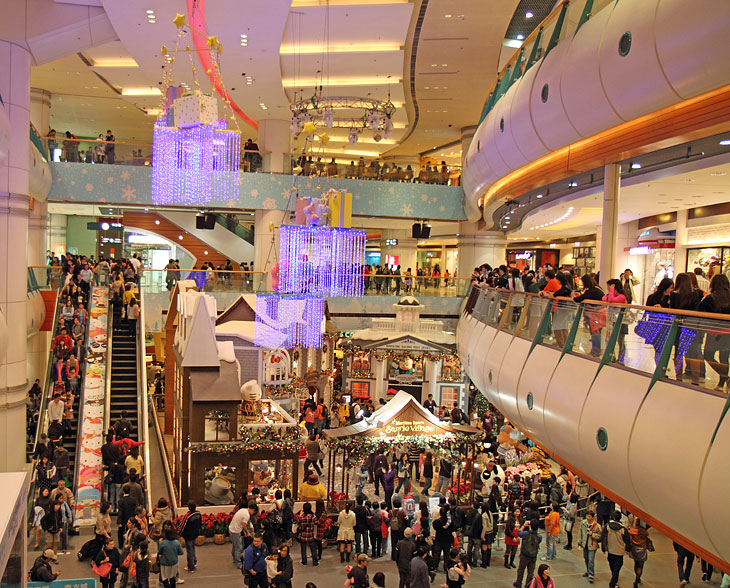
sanrio-village-1
My daily route takes me through two smart malls, a bit like Sloane Street and Bond Street combined, but arranged vertically on three floors. Despite the army of commuters passing through, the shops are empty. A detour from the main route into an adjacent mall and it’s a completely different scene. First thing you notice is that it’s much warmer, not hot, but not fridge temperature either. And Sloane Street has been replaced by a world of small tailors, travel agents, florists, cafes and a faint smell of cooked rice. These shops have customers, not perhaps as many as in the street markets out in the heat, but at least they’ve got turnover. For this Westerner they are much attractive. The mystery of the empty shops was explained to me.

Mainlanders.
Hong Kongers have mixed feelings about Mainlanders and on the whole they are not positive ones. If, however, you have a shop filled with designer label handbags, you love them. Just one customer might buy the equivalent of a week’s business. Occasionally, a porter is spotted weighed down by parcels from Prada, Dior, Channel etc. Otherwise, I’m told, they get sent over the sea by special delivery.

Just off Cotton Tree Drive, there’s a lovely park where once the British had their largest barracks. Perfect for an early evening stroll ‘home’, it’s full of lily ponds, lush trees, exotic birds and waterfalls. An escalator from the park takes me back down to the chilly mall, then a lift up to the apartment in time for a quick change and out into the balmy night air for a swim. Thankfully all cellulite is hidden under the blanket of darkness. Note to self. Must find out why Asian women don’t have any…

Tagged with:

IF SCOTLAND by DAVID MACLENNAN

David MacLennan, the Scottish writer, actor, and producer, is the founder of  A Play, A Pie & a Pint, Glasgow’s Lunchtime Theatre. In the 1970s he co-founded 7:84 Theatre Company with his brother-in-law, John McGrath, and later Wildcat Stage Productions.  David died earlier this year from Motor Neurone Disease. Shortly before he gave his permission for me to post this  poem.

If Scotland

If Scotland votes for Independence
Will the limestone lochs of Durness become more limey
Will Scots porridge oats be much more porridgey
Will Arbroath smokies be far smokier
And make our Cullen Skink a whole lot skinkier

Will Independence make the heather bloom more purple
The gorse more yellow sea campion more pink
And will the bluebells below the Duke’s Pass in the Trossachs
More thoroughly carpet the woods

If we vote yes
Will the Tartan Army throw off its inhibitions
And really get themselves about
Will Celtic Rangers Hibs and Hearts at last command the passion of the fans
Will Inverness Caley Thistle find a more patriotic name
And will the Sun and Daily Record finally give some space to football

Will the Proclaimers rediscover their Dundee accents
Will Phil Cunninghame get his act together on that box of his
And Aly Bain get to grips with his Shetland fiddle
Will Paolo Nutini sound more Paisley
And Capercaille a bit more Gaely

If Scotland was left to go it alone
Would Bannockburn be undeniable
The Saltire flag more flyiable
The Bank of Scotland liable
The crofting way of life more viable
The Wee Free Church more pliable
The Orange marchers justifiable
The summer weather more reliable
And would the deep fried Mars bar cease to be as fryable

If Scotland goes it own way
Will the Langholm Common Riding be more common
Will the cabers birl further in bonny Braemar
Will the flames of Up Helly Aa more brightly burn
Will Abermuchty and Auchtergeldy take it in turn
To have the longest village main street in the land

Will smir and dreich and gloaming forebye
And drookit and glaikit an aw naw an och aye
Burst forth like a spring when Scotland is free
An’ gallus an’ stumour an’ oh michty me

If Scotland says aye
Will St. Andrews be the home of golf
Will the curling stones roar on the Lake of Menteith
Will the cammans clash loud in the Camanachd Cup
Will the Guest House in Oban be always full up

Will the Rest and Be Thankful be thankful at last
The Beallach to Applecross more like a pass
Will the Old Man of Hoy and the Old Man of Stoer
And Buachaille Etive Beg and Buachaille Etive Mòr
Stand taller and prouder and more recognizable
And the chip on oor shooders a wee bit less sizeable

Will Glaswegians be more gallus
Will you have had you’re tea in Edinburgh
Will Aberdonians be more mean
And will all the stereotypes
Of every city town and village in the land be reinforced

If Scotland does its ain thing
Will Scotland be more Scottish

I hae ma doots.

Tagged with: , ,

Why it got tougher for working mums

News this week that for the first time more women are applying for jobs in financial and professional services than men. That’s great, of course, but getting women into the professions isn’t the problem. Keeping them is the challenge.

Writing Out of the Doll’s House 25 years ago, I was optimistic. By 2014 women judges, CEOs, senior partners would be so commonplace we’d no longer be talking about a glass ceiling.   The surge of women into the professions in the 70s and 80s would create a pipeline of brilliant women who would surely provide an irresistible pool of talent from which leaders would be chosen.

I was wrong.  That pipeline turned out to be very leaky. As men rose through the ranks, women more often moved out than up. The pool of women for top jobs is small and they are still a rarity. The figures are familiar – one woman in the Supreme Court, four women CEOs in the FTSE 100 and less than a fifth of equity partners in leading law firms. With more family-friendly initiatives around than when we baby boomers were working mums, this is not only disappointing but surprising.

Professional women today have as tough and in some ways a tougher time juggling work and family than we did. These days there is less talk of breaking glass ceilings, instead academics use the phrase finding ‘a route through the labyrinth’. Mothers (not childless women or those with house-husbands) face a series of obstacles blocking their paths.

First, working life for many professionals has speeded up dramatically in the last 30 years. Hillary Clinton’s State Department was thought lenient for only requiring executives to be in the office eleven hours a day, a work ethos that has spread over here and is familiar to many, particularly in finance and law, who count themselves, lucky to get home by 9pm and escape all-nighters. It’s an almost impossible call for a mother who has to collect children from a nursery or take over from a child-minder.

And here lies the second problem.  It is still usually mothers. While employers may have come round to accepting the need to make a few concessions for motherhood, it’s far harder for an enthusiastic father to plead parental responsibilities. In the corporate world if he doesn’t put in the hours in the office, he isn’t taken seriously. So despite willingness to share (an improvement on men of my generation) women are still usually the ones racing home to put children to bed and cook the dinner, often returning to their laptops late into the night.

Women today are also disadvantaged by the cult of rapid achievement – an expectation that you must make the grade by a certain age. This conflicts with time off for maternity leave and, as it is common for professional women to put off having children until their mid or late 30s, the big push for seniority often coincides with the greatest demands from family life.

Perhaps the biggest hurdle of all is childcare. UK childcare is the second most expensive in the world, higher even than the US. A full-time nursery place in London can be as much as £22,000 a year and the cost of a professional nanny is considerably higher. Live-in help is only possible in the size of house unaffordable for many in today’s market and finding a registered child-minder is difficult as numbers have halved since the mid-90s due to the cost of training and insurance.

The combination of escalating child-care costs and the rigidity of the corporate culture makes it hard for today’s working mums to stick in there.  All power to organisations like Women on Boards and the 30% Club who are trying to encourage and support them.

Working mum

Tagged with:

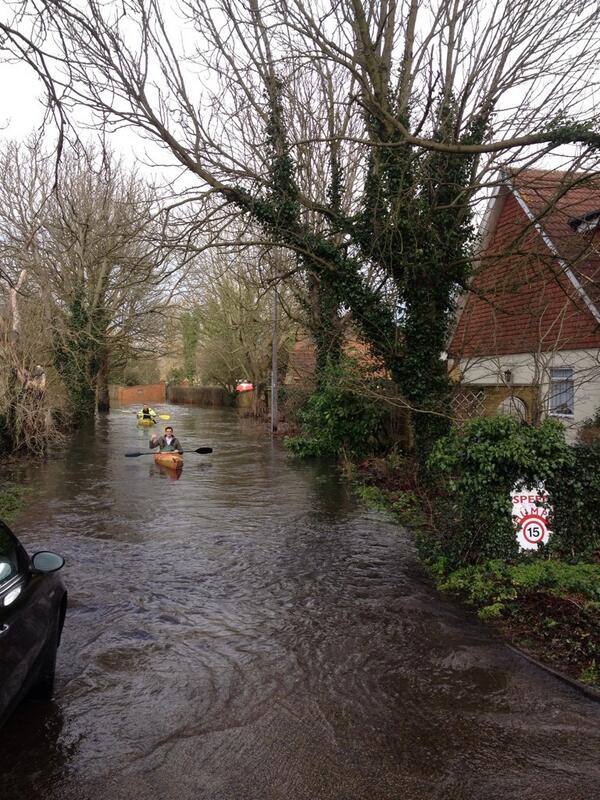
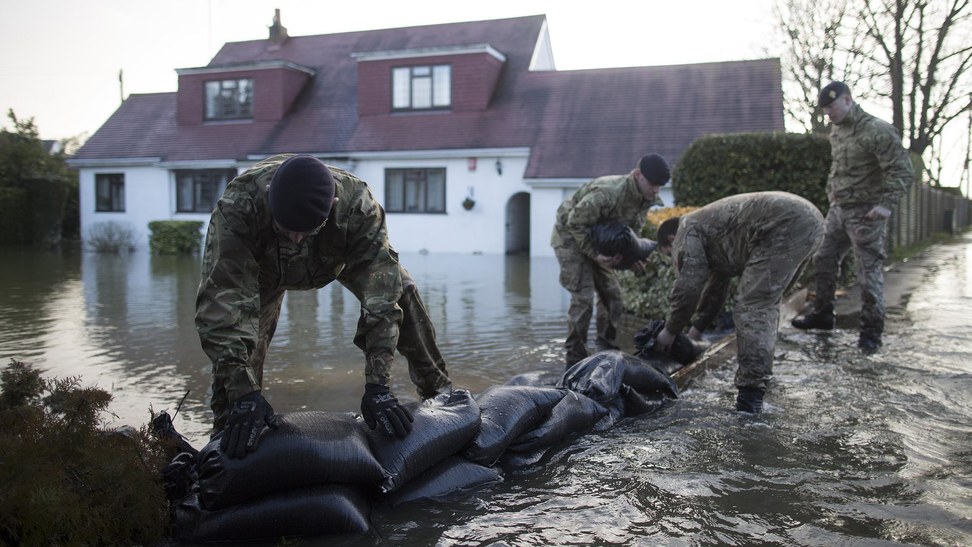
Welley Road Under Water

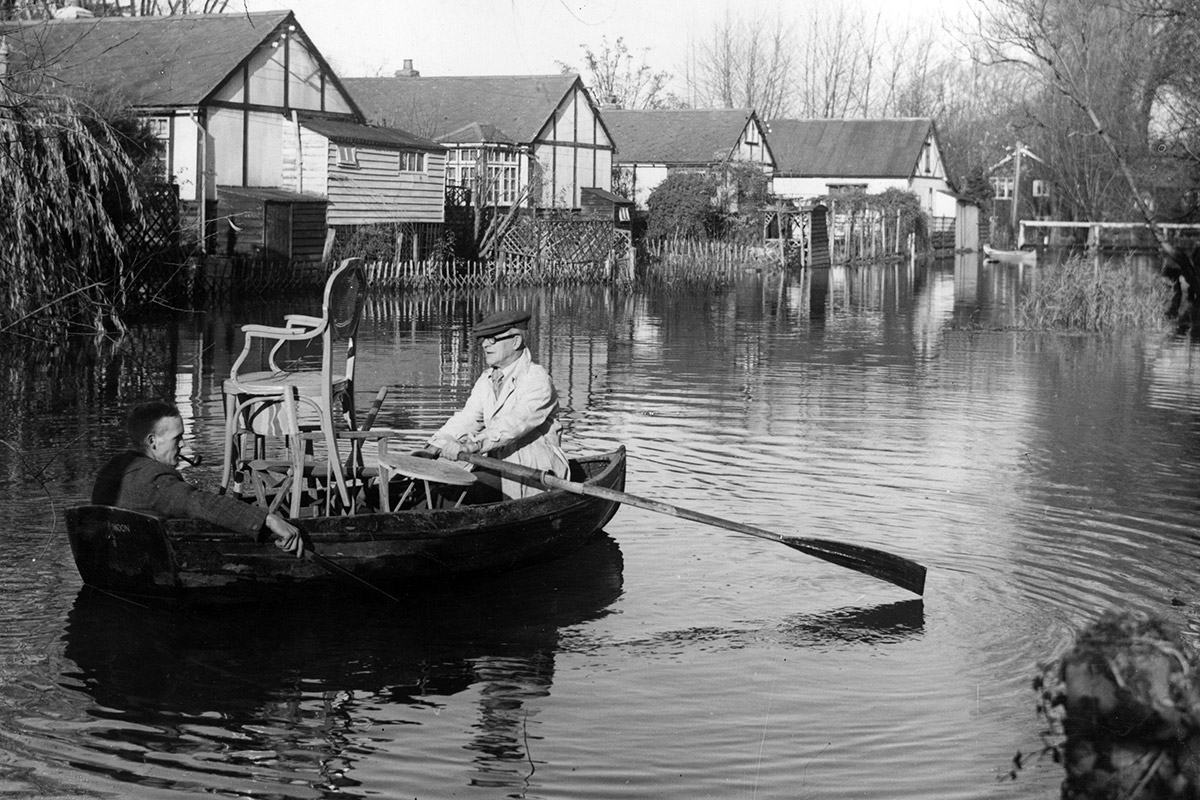
The papers are full of photographs of Thames villages under water, including the street where I lived as a child in the 1950s. The Welley Road house in Wraysbury was the first my parents ever bought. They knew it was on a flood plain but they weren’t worried. The river was half a mile away and didn’t seem threatening. True there’d been a big flood in 1947 but that was dismissed as a once-in-a century phenomenon. The name of the road never raised the smallest flicker of a smile or a bad pun.

floods 1

Wraysbury floods 1947


Our house, a modest timber bungalow built in the 1920s, was surrounded by two acres of garden with a boathouse converted into a garage. Aged 5, I walked to primary school just a few doors away, my mother watching from the gate. Further along the road we bought goat’s milk from a small farm. Opposite the school were two shops – a butcher’s and an unforgettable sweet shop. We children would gaze longingly at large glass jars behind the counter filled with tempting barley-sugar whistles, gobstoppers and sherbert lemons. We were too young for ration books so depended on our mothers’ weekly quota. 3oz didn’t go far.
The rest of the village lay only a short walk past the Green with Jewson’s Chemist on the corner. Beyond the High Street were fields and some way in the distance the gradually encroaching gravel pits. In our time the river and its tributaries kept within their banks and we stayed dry in Welley Road. Hydrologists have apparently labelled these years ‘flood-poor’. We were lucky.

floods 2

Today our little bungalow has been replaced by something much larger. The school and farm have gone. So too the butcher and the sweet shop, supplanted by a unisex hairdresser and a dentist. But the chemist – now The Village Pharmacy – is still on the corner exactly where it was 60 years ago. The village population has barely grown – the planners, it would seem, cautious about new building. We’d moved away before the once-hated gravel pits reached the edge of the village, transforming it into a lakeside haven and long before the river burst its banks finally reaching Welley Road.floods 3

Who knows if this is another once-in-a-century catastrophe or if the current occupants of Welley Road are witnessing the beginning of what might be called a Flood-rich Age.

Tagged with: ,

Mailer Mayoral Campaign

A shorter version of this appeared in The Times, May 3 2012

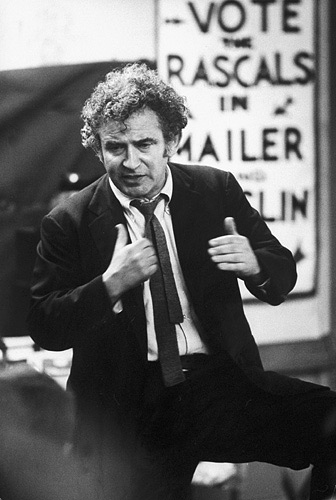
VOTE THE RASCALS IN

The mayoral candidate exploded with fury in a foul-mouthed tirade. No, not the recent spat between Boris and Ken but Norman Mailer in 1969. The summer of Woodstock, Chappaquiddick and the moon landings, saw Norman Mailer, Pulitzer prizewinning author and journalist, running for Mayor of New York. The Boris and Ken show is tame by comparison. As manager of his campaign headquarters, I was at Mailer’s first major fund-raiser. He turned on his audience of volunteers and donors, drunkenly punctuating his speech with ‘Fuck yous’, telling us we were, ‘a bunch of spoiled pigs … sitting around jerkin’off, havin’ your jokes … and more than that you all want to work for us? You get in there, and you do your discipline and you do your devotion … Don’t come in there and help us because ‘we’re gonna give Norm a little help’. Fuck you.’

It wasn’t the best way to inspire supporters in what was arguably one of the most provocative and colourful campaigns New York has ever seen.

It all began on an April evening at Norman Mailer’s house with a bunch of New York’s finest – journalists, novelists, polemicists of all sorts – throwing ideas around on how to transform the city. The Democratic Primary for mayor was but a few months away and with Mailer leading the crusade, they believed they had a libertarian vision which would draw from right and left, cutting across traditional political lines. The big idea was to liberate New York City and turn it into the fifty-first US state. New Yorkers paid $22 billion in income tax to the federal government and only got back around $6 billion. Mailer proposed they kept the lot. Decentralisation didn’t stop there. Individual neighbourhoods would govern themselves. Harlem and Staten Island, for instance, could declare themselves townships and do their own thing. The emphasis was on community. Someone on welfare would be given the task of beautifying the area he lived in, while getting job-training on house restoration, the same thing with offenders. Anyone with a stake in the community, it was assumed, wouldn’t want to trash or rob it.

New Yorkers liked the idea of holding the purse strings and stopping farmers upstate grabbing the city’s money but they were less impressed by some of Mailer’s other ideas. Most controversially, he called for the legalisation of heroin to cut drug-related crime and be made available rather like methadone is here. He wanted a ban on private cars in Manhattan, free public transport and (40 years before Boris) city bikes. This, he said, would reduce pollution by three-fifths. He planned to increase the number of cabs, and encourage cab-sharing schemes. Apart from taxi drivers, no one was very enthusiastic. There were mutterings about joy riders on the subway and biking muggers swooping down on innocent shoppers in Fifth Avenue.

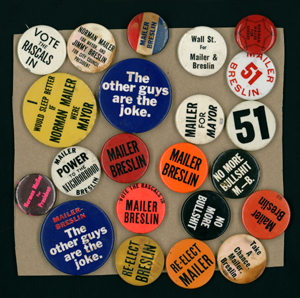
The idea people found the hardest to grasp was Sweet Sunday. The last Sunday of every month the city would come to a halt in a kind of biblical way to ‘cleanse itself’. For 24 hours nothing but emergency services would be allowed to move. There would be no planes, trains or cars. People would talk to their neighbours, rest and play while the air around them grew pure. New Yorkers didn’t get it. It was obviously just a big joke. Lapel badges saying ‘No More Bullshit, Mailer for Mayor,’ and ‘Throw the Rascals In’ reinforced this suspicion.

Mailer badges

But Mailer was deadly serious. He wanted to win. His ideas, he conceded, were ahead of their time, but he had a high-profile, he was a prominent writer attracting a huge amount of press coverage and his running-mate, the journalist Jimmy Breslin, was a much-loved New York character. The problem was that even if he had thrown out some of his dottier ideas, he was surrounded by people like himself who enjoyed debating policy but had little interest in the dull logistics that make a successful campaign. Little thought had been given to canvassing, budgeting, fund-raising, even banking donations. At the end of each day, I went home to one of the dodgier parts of the city with wads of dollars stuffed in my bra which I hid in a cushion until someone eventually decided what I should do with them.

No one had worked out how to use the volunteers who turned up in their dozens to work on the campaign. Mailer’s ideas appealed to the young and the New Left. Activists who had worked for Eugene McCarthy in his presidential bid the year before enthusiastically offered their unpaid services only to be told there was nothing for them to do and to come back next week. The campaign manager, Joe Flaherty, a columnist on the Village Voice, had his work cut out managing Mailer. He left the campaign to run itself. The fact that, as a 22-year old British student, I was let loose to manage the Manhattan headquarters underlines the point.

Mailer, himself, never quite saw the need for volunteers. He grumbled that the ‘fuckin’ beards and leftists’ were lowering the tone. He fretted that the campaign was over-run by hippies. It was certainly true that the he was the hip choice for mayor, the hippies being the only ones who ever truly believed in Sweet Sunday, and that campaign cars were brightly coloured with psychedelic symbols, but there were few, if any, actually working on the campaign. On his rare trips to headquarters, he eyed us suspiciously, giving those he recognised an imaginary boxing punch. In the final weeks of the campaign, he demanded a loyalty test. Beards and moustaches had to go, hair to be cut short. This divided the staff into two camps – the loyalists and the refuseniks (including Campaign Manager, Joe Flaherty). The two sides stopped speaking to each other.

Mailer, who drank heavily throughout the campaign, rose above all this. He thought if he stood at subway entrances in the early morning, walked around the city during the daylight hours and addressed selected groups in the evening that would be enough. ‘The difference between me and the other candidates’, he said, ‘is that I’m good and I can prove it.’ At his best he was an impassioned and impressive speaker but Mailer, who had no trouble unbending in a bar, could seem stiff, even awkward meeting and greeting in the street. New Yorkers were largely unimpressed. His ideas were too wacky, his campaign too anarchic.

On election night he took a suite in the Plaza surrounded by a strange coterie of writers and fellow drinkers, including all 460 pounds of Jimmy Breslin’s bookmaker friend, Fats Thomas. Like many outsiders before and since, he’d convinced himself he was in with a chance. He watched the results filling the TV screens with increasing gloom. He was fourth out of five. The winner of the Democratic primary, Mario Procaccino, dismissed by Mailer (‘I can’t get a grasp on a mind this small’) was later beaten by the incumbent Republican, John Lindsay.

In statistics, an outlier is a sample that lies outside the expected range of possibilities. As political candidates go Norman Mailer was clearly an outlier, but such candidates occasionally win. In recent years at opposite ends of the political spectrum Barack Obama and George Galloway have defied the odds. They had ideas that resonated with their constituents and the organisation to carry it through. Mailer’s quixotic campaign had neither.


Top